Carrying a reliable cutting tool can help with routine tasks performed outside. A well-placed blade offers quick access while keeping movement natural. Proper carry methods also support safety during regular activity. People often choose different positions based on personal preference and daily needs. Understanding how placement works helps improve access, balance, and control. This guide explains important points about carrying a knife effectively while avoiding common mistakes. Learning these basics can support better handling habits while helping users choose practical options for routine situations. The right setup can improve convenience without making equipment difficult to reach.
Choosing Proper Carry Position
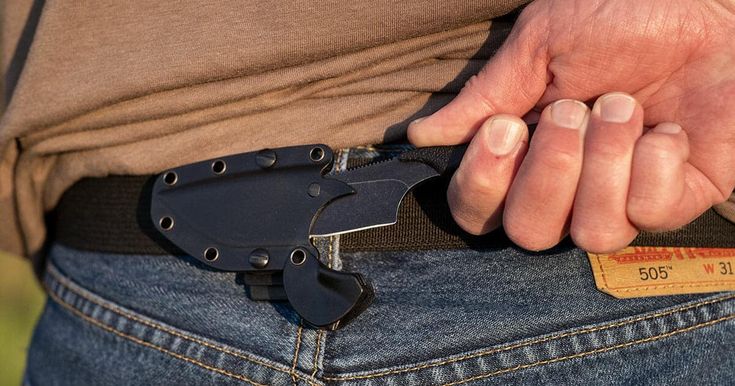
A Scout Carry Knife is commonly worn across the back of the belt. This placement keeps the tool secure while allowing access from either side. Proper positioning helps reduce unwanted movement during routine activity while maintaining a balanced feel.
Improving Access During Tasks
Quick access is important when tools are needed frequently. Proper placement allows smooth drawing motions without excessive effort. Practicing safe handling techniques improves confidence. Consistent positioning also helps users build familiarity with equipment during regular use outside.
Maintaining Safe Carry Habits
Safety should remain a priority whenever carrying a blade. Keeping the edge protected reduces unnecessary risks. Regular inspection of mounting points helps identify wear. Responsible handling habits support better control while lowering the chance of accidental incidents.
Matching Gear With Activities
Different activities require different equipment choices. Users should consider expected tasks before selecting a carry setup. Lightweight options work well for routine duties. Stronger designs may be useful when handling tougher materials during demanding situations.
Checking Materials And Durability
Quality materials often provide better long-term reliability. Strong construction helps equipment withstand repeated use. Durable components resist wear from routine handling. Selecting dependable materials can reduce maintenance concerns while supporting consistent performance over extended periods.
Practicing Proper Drawing Technique
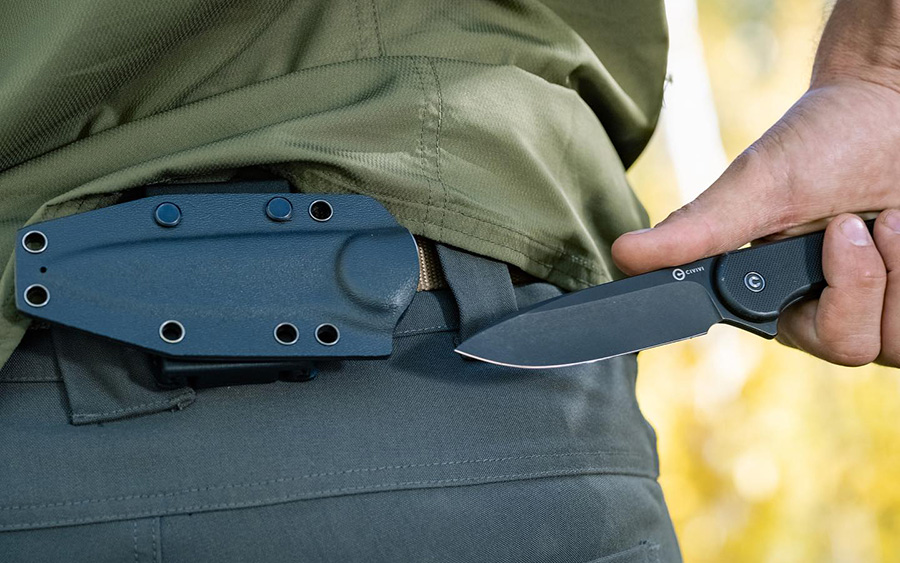
Drawing a blade safely requires attention and control. Slow practice helps build familiarity with movement patterns. Consistent technique reduces handling mistakes. Developing proper habits improves confidence while supporting safer operation whenever the tool is required.
Caring For Blade Condition
Regular maintenance helps preserve performance and reliability. Cleaning after use removes debris that may affect operation. Proper storage protects components from damage. Routine care extends service life while ensuring the blade remains ready for future tasks.
Selecting suitable equipment requires attention to safety, durability, and usability. Effective placement supports easy access while helping maintain control during routine activity. Regular inspection, proper maintenance, and responsible handling habits contribute to dependable performance. Users should focus on practical features that match expected needs rather than selecting equipment based only on appearance. Careful evaluation of carry methods can improve convenience while supporting safer operation. A thoughtful approach allows individuals to gain greater value from their setup. With proper planning and consistent habits, a Scout Carry Knife can remain a dependable tool for practical outdoor use.
FAQs
What is scout carry placement?
Scout carry placement positions the sheath horizontally across the back area, allowing balanced access and stable daily carrying.
Why is sheath retention important?
Good retention keeps the blade secure during movement, reduces shifting, and supports safer handling throughout regular activities.
How often should maintenance be done?
Basic cleaning and inspection after frequent use help maintain reliability, support performance, and reduce unnecessary wear concerns.